HSPs, stress and depression. An approach from Kundalini Yoga.
Posted on August 8, 2024
When speaking about high sensitivity, we end up talking about stress and depression because they are natural consequences of being too exposed to external stimuli.
Highly sensitive persons (HSPs) are more easily aroused under stimulation due to the depth with which they process all the information and the high emotionality that it entails; therefore, they differ from non-HSPs in the sense that at the same situations, HSPs are “apparently” less tolerant to stress. “Being an HSP is not the same as being neurotic –that is, constantly anxious for no apparent reason.” (Elaine Aron) It is just they are “more aroused by new and prolonged stimulation.”
According to Elaine Aron, if HSPs are not conscious of the trait and are chronically over-stimulated would feel more anxious, angry, sad and could end up facing some psychological imbalances (which, by the way, could be wrongly diagnosed as psychiatric disorders).
Shanti Shanti Kaur Khalsa has a very interesting article about depression in nowadays transitioning times. “Bigger. Faster. More. These are all elements of modern life.” In fact, either HSPs or non-HSPs are subject to suffer from what Kundalini Yoga* refers to as “cold depression”. A set of symptoms ranging from compulsive/ addictive behaviors to the inability to think clearly are experienced, so “we are depressed but we are so numb and insensitive to our own self, we do not feel it. The depression is therefore cold.”
As stated by this author, “this leads us to inner anger and isolation from our soul. Cold depression is when we are cut off from our spirit, source, strength, and inner guidance. At its core is a deep sense of loneliness, a prevailing sense of anxiety, and a loss of meaning.” In other words: “The Silence of the Soul”.
Native Alien
In this case, most of HSPs -if raised in loving and healthy environments- may have powerful tools to cope with this kind of depression. As one of the pillars of the trait is depth of processing, these people have a natural tendency to nurture their inner world and, in this way, avoid feeling alienated from the true purpose of life.
All this being said, and taking into consideration that HSPs nervous system has lower thresholds toward stimuli, their internal capacity to manage the external demand is severely weaken and their internal reserves spent at a faster pace. In order to manage stress, be less nervous at tense situations and avoid our mind succumbing to weariness, we need to strengthen our nervous and glandular systems. As pointed out by Nihal Singh: “it is important to have a strong nervous system to be graceful during tough times.”
One way to think about the nervous system is that it is a container. To some, their container is a half-inch shot glass. This type of container can barely hold anything, so there is limit to the amount of stress or pain this person can hold. With this type of nervous system, it can be hard to even meditate for three minutes before feeling some sort of pain that will distract you.
We have become a society that seeks pleasure and avoids pain at all costs. When the nervous system develops the capacity to hold pain, then you can heal. You want to create the capacity to hold pain and then the system can bring awareness to it and then release it.
Even within the deepest pain, I believe, we can find beauty and purity. Personally, I have had glimpses of finding those moments in which everything is lived at once with a certain strange and unsuspected sensation of serenity. I confess, although, that it is very difficult to see the diamond in the mud in all situations and all the time. We have to admit that Life is naturally present and flowing everywhere: in happiness and sadness, in youth and old age, in health and illness…
Simple and effective strategies such as yoga and meditation can help create resilience and develop better coping mechanisms.” says Paulina Sukhpal, from Kundalini Research Institute. Yoga has been proved to be therapeutic as a way to manage unrelenting stress originated from information overload and extremely rapid change, and as Paulina confirms, “yoga and meditation can also help to increase feelings of self-awareness and self-acceptance.”
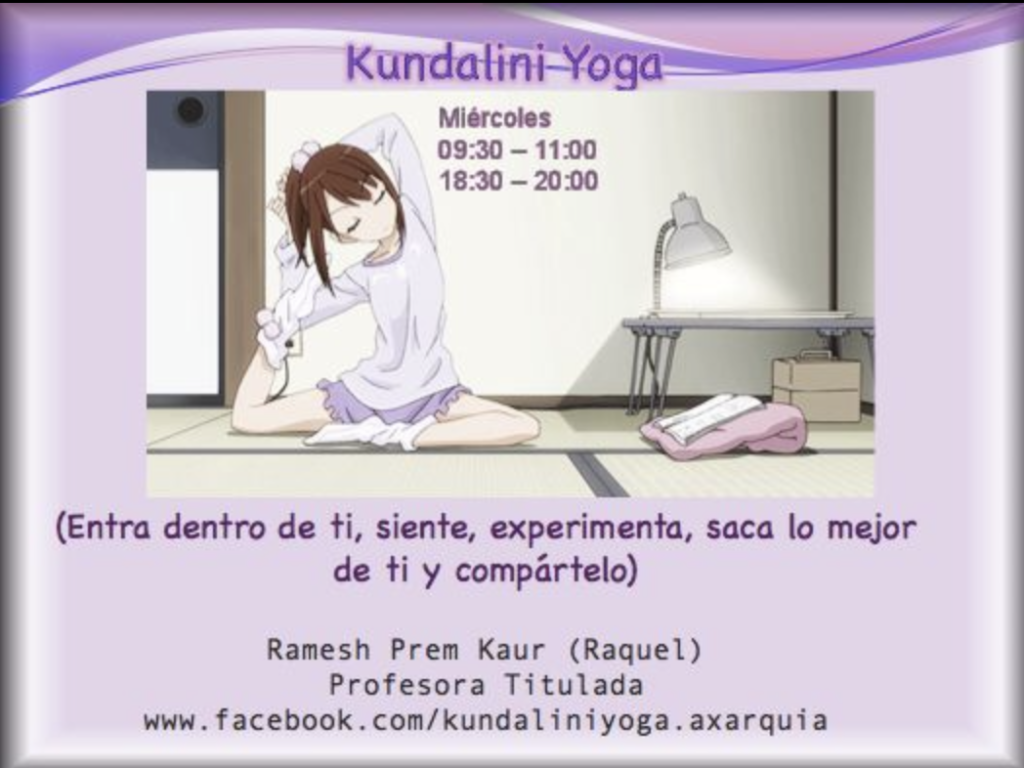
Certainly, kundalini yoga could be an option to many HSPs, who urgently need to learn to perceive and understand the world without overwhelming their senses, with complete naturalness and from the inner calm of their being.
Kundalini Yoga experienced-teachers recommend to get energy from Prana and not from adrenaline. The rhythmic flow of Kundalini Yoga kriyas (sequence of asanas combined with other yogic techniques) restore the nervous and glandular systems, releasing old stress response patterns from the body. In Shanti Shanti K. Khalsa’s words: “mantra chanting brings a break to the mental noise and focus on more sublime aspects of consciousness. Breathe and chant! Let the mantra regulate your breath to restore your Prana. Let the tongue and lips move across the meridian points to balance your brain.”
There is evidence that through this yogic practice the related organs work at the physical level with the stress, and emotions work at the subtle level. I can tell you I have experienced that myself, especially the emotional part. Besides, going over yoga in general or other ancestral practice helps us to connect with the spiritual part of Life, but that is subject for another article…
*Kundalini Yoga: yoga school that combines, as all the other yoga schools, a range of techniques for a physical, energetic and mental practice. As a Kundalini Yoga practitioner and teacher myself, I can say that the difference may be precisely the focus, which especially captures the energetic-spiritual experience created during the practice. Actually, all schools are based on the yoga and Vedic culture and they shouldn’t be considered as different “styles” of yoga, but rather, what tools each school focuses its practice on.
Got something to say?