Tuning into the wonder of the High Sensitivity Spectrum: orchid, tulip or dandelion?
Posted on December 5, 2022
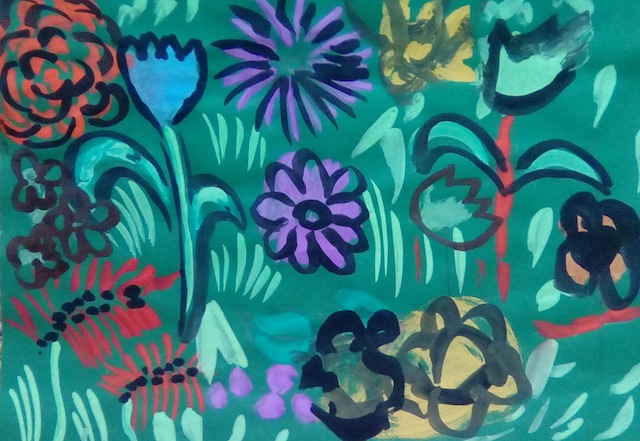
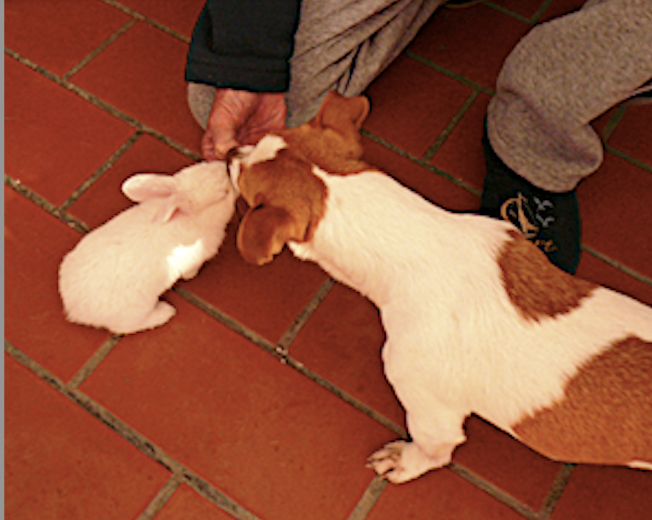
The intention of this set of articles is simply to share some of the ideas and/ or extracts I have been collecting for years about high sensitivity. In no way it pretends to be innovative about the matter. In fact, I would say, it is more a way of expression since I may not be able to quote all sources of information. I also include my own reflections on this matter.
To begin with, it is important to say that high sensitivity is not a disorder or a disease. Being sensitive is part of one’s temperament, it is a personality trait, that most probable comes in one’s genetic package.
Elaine Aron, Ph.D., first coined the term Highly Sensitive Person (HSP) back in the mid nineties; it has been used since then to describe people who are thought to have more reactive central nervous systems. This gift of nature is based on four well-studied pillars:
*Depth of Processing: the highly sensitive person can hardly remedy his tendency to process the external stimulation in an intense and deep way (in more detail than others do). The person continues to ruminate on the issues absorbed, giving it very deep thinking for long periods of time.
*Overstimulation: highly stimulating situations –very exciteful for many others-end up overwhelming HSPs because there is a lot of information to process –either sensory or emotional. It must be taken into account that sensitivity not only includes emotions but also encompasses perception and sensations, all of which are areas to which the person has special and easy access when interacting with the outside world.
*Emotional Reactivity and Empathy: the person lives all experiences in life with a lot of emotionality (being easily moved by countless situations and things that touch the soul due to their beauty and purity, or in the same way, due to their sadness or profound helplessness condition). This can lead to intense empathy, a characteristic that is also part of high sensitivity.
*Sensing the Subtle: it is worth highlighting a high sensitivity not only in terms of the five senses but also in the face of subtleties such as small changes in the environment or in the emotional state of the people around. (Source: Karine Zegers)
The latter is more related to what was mentioned before: having a more sensitive nervous system, these beings offer a different and complementary possibility of strategy for evolution and survival; apparently, it has been proven that there is a percentage of 15-20% in other species as well, not only in the human.
A study has analyzed the brains of this type of people and has discovered that they present greater activity than the brains of other individuals in very specific regions, such as the mirror neuron system or areas linked to consciousness and the processing of sensory information. (Source: http://www.tendencias21.net/)
More recently, researchers on High Sensitivity have started to talk about it especially as a “continuum” (there is a spectrum where everyone is sensitive to a certain degree, being some people more sensitive than others). A few years ago, Pluess and some colleagues published a study (Lionetti et al., 2018) in Translational Psychiatry, “Dandelions, Tulips, and Orchids: Evidence for the Existence of Low-Sensitivity, Medium-Sensitivity, and High-Sensitivity Individuals.” As the title of the article suggests, floral metaphors are used to describe varying degrees of sensitivity. (Source: blogdepsicología.com)
The Highly Sensitive Person is the one who “withers” in the face of a difficult childhood but “blooms” in the face of a happy childhood, similar to the orchid that withers in the face of a negative environment and flourishes in a positive environment. (Source: Maria Dolores Mas –siquia.com).
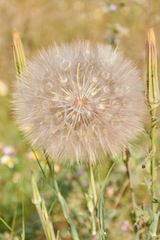
Continuing with the floral metaphors but on the other side of the spectrum, we find that dandelions are fairly “more acclimatized” plants that are not subject to too many problems. Most dandelions can grow in virtually all seasons and are resistant to all temperatures, sometimes even frost. It doesn’t really matter what kind of soil they have as long as the drainage is adequate, because these plants are incredibly tolerant to poor conditions.
Somewhere in between lay tulips, not as fragile as orchids or resistant as dandelions. The tulips, flexible to the wind of life, remain standing and in their multicolored variety can also grow wild in nature. There are a great deal of tulips, being categorized up to 150 types of this flower. It is said the majority of the population fall in this sensitivity range.
According to Pluess, one of the main researchers in High Sensitivity, it is more probable that the HSP struggles in stressing situations, but they are particularly opened and receptive to positive and uplifting experiences. On the other side, the less sensitive tend to be more resilient towards adversity, but they can take less advantage from any experience.
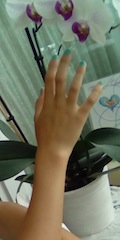
Y le pregunté a la Orquídea:
“¿Cómo puede ser tan hondo tu sentir”?
Su respuesta quedó dispersa en el éter.
Y llegó, dulce, refinada como ella misma,
susurrante…
Mi corazón escuchó:
“Es la única forma que tengo de vivir.”
Raquel Ubeda
Got something to say?